A Passion for Art
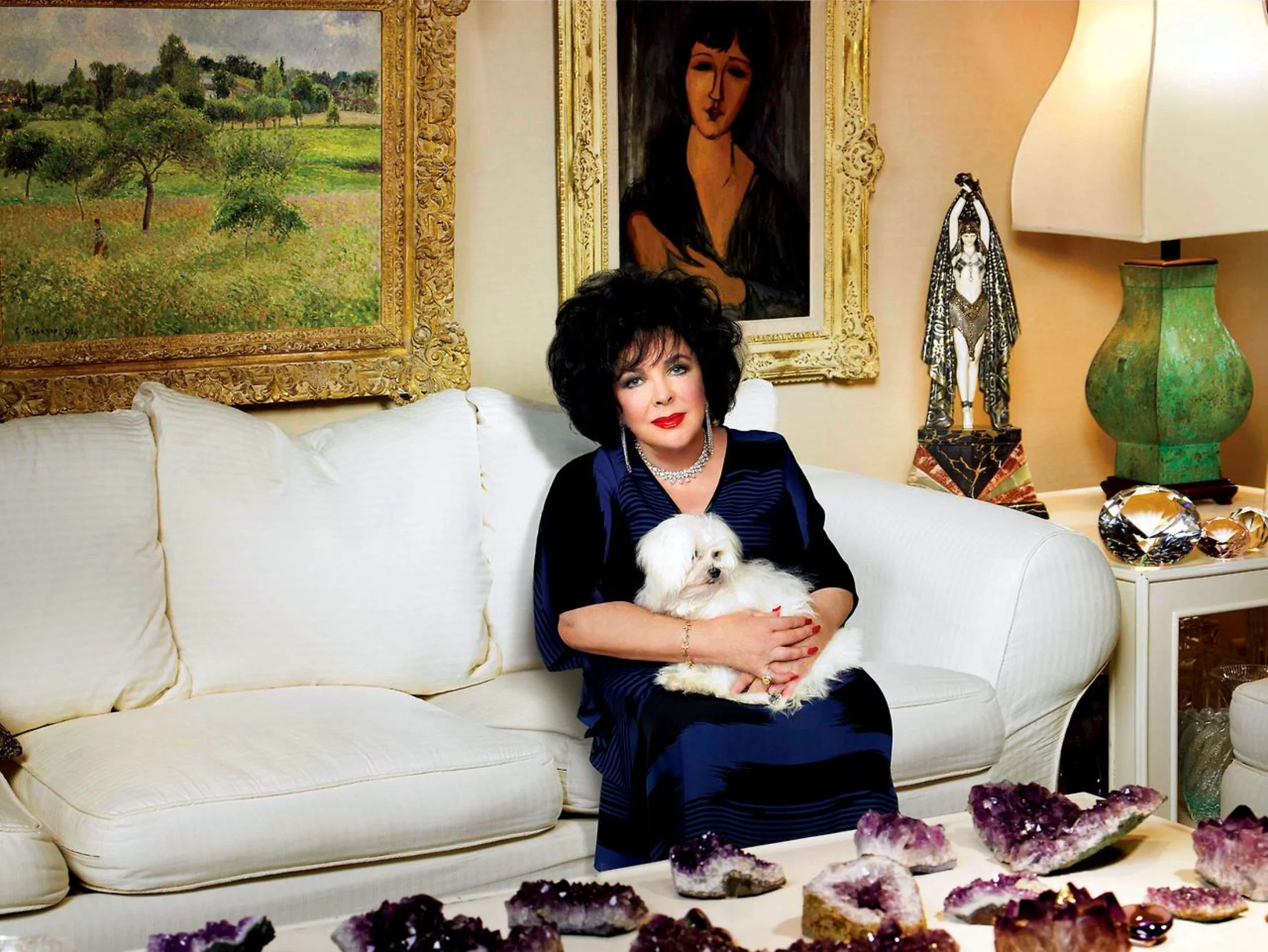
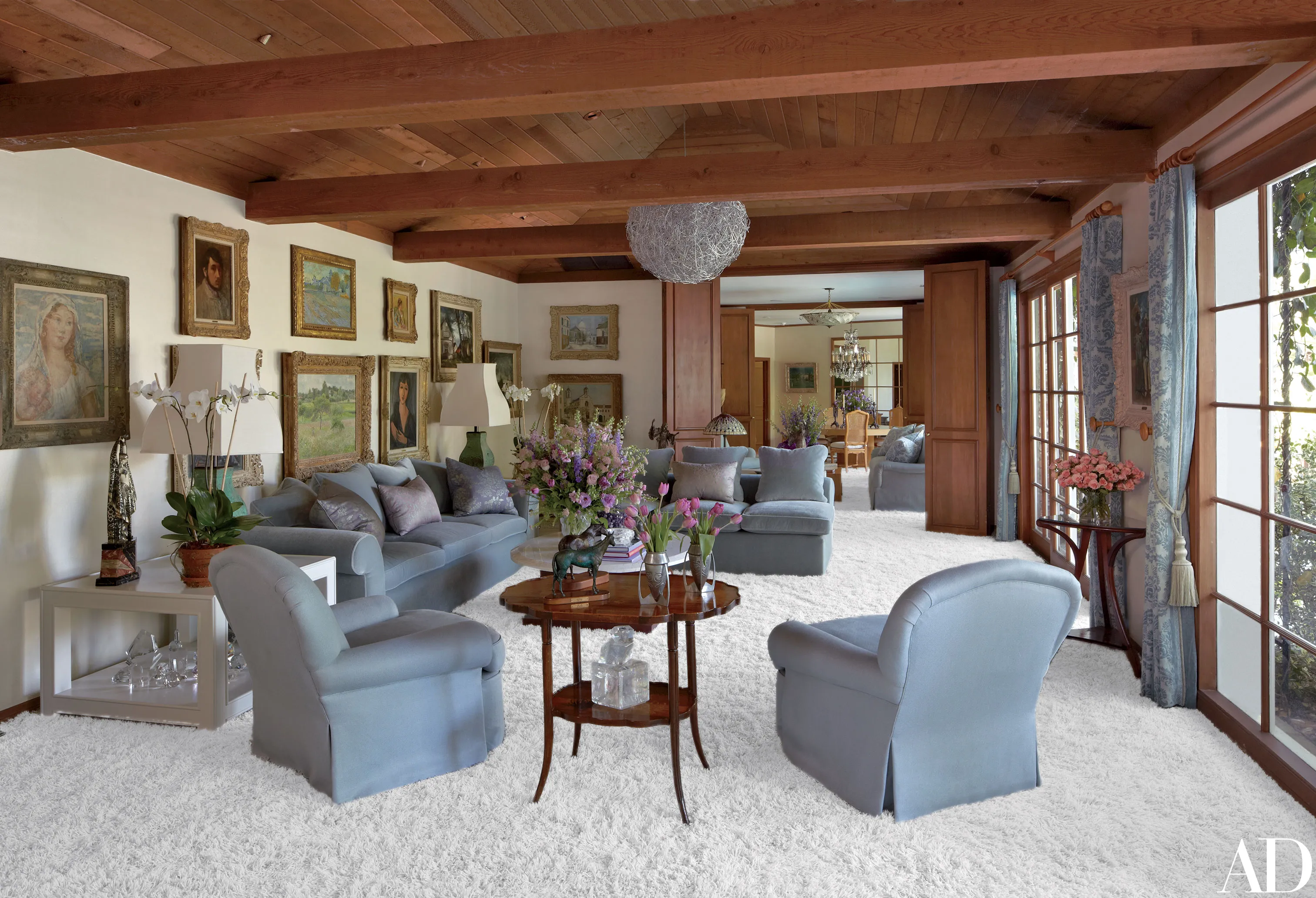
Everyone knows about Elizabeth Taylor’s love affair with jewelry. But it was a love affair that overshadowed another great passion—one for Impressionist and modern art. Elizabeth once described her home as “such a cozy, sweet place with bits and pieces around—bits and pieces of Renoir—and, you know, things that make it homey.” She amassed one of America’s great private collections of Impressionist and modern art. At one time or another, works by Picasso, Utrillo, Degas, Rouault, Monet, Pissarro, Renoir, Mary Cassatt, Modigliani, Vlaminck, van Gogh, Matisse, Cézanne, Rembrandt, Erté, and Frans Hals lined the walls of Elizabeth's homes.
She was, quite literally, surrounded by fine art from birth. Elizabeth’s father, Francis, was an art dealer. As a young man, Francis was mentored by his uncle, the New York art dealer Howard Young. Young helped Francis develop an eye for art, which he honed as he travelled extensively throughout Europe, scouring the continent for pieces to sell in his uncle’s gallery. He would go on to manage the London branch of the Howard Young Gallery in Old Bond Street, Mayfair. In those heady days before the outbreak of the Second World War, Francis and his wife, Sara, moved in a glittering, bohemian circle that included the painter Augustus John, who Francis would later introduce to and exclusively represent for the American market.
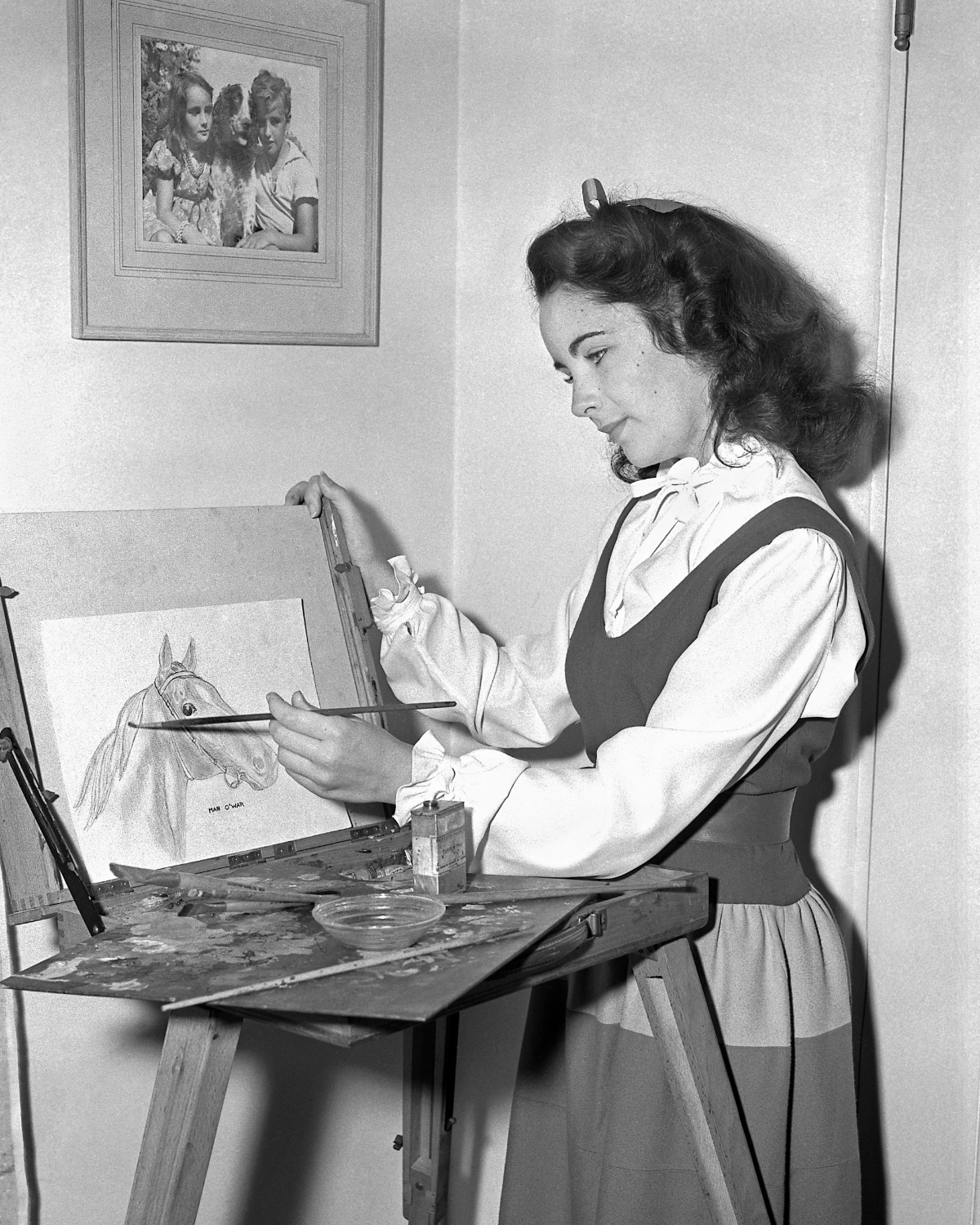
Francis and Sara, along with their two young children, Howard and Elizabeth, left London for sunny California in 1939. Francis opened an art gallery in the arcade of the Beverly Hills Hotel, which quickly attracted a dazzling clientele that included the likes of Greta Garbo. Elizabeth, who would inherit her father’s love of art, enjoyed spending time with Francis at his gallery. (Elizabeth was a talented young artist herself; her illustrations adorn her charming book, Nibbles and Me, a chronicle of her adventures with her pet chipmunk.) Later, Francis would present Elizabeth with one of her first important pieces, a Frans Hals, on the occasion of her first marriage at age eighteen. (Hals’ Portrait of a Man would later hang above the fireplace in the living room of her home on Nimes Road in Bel-Air.)
Pictures That Don’t Even Move
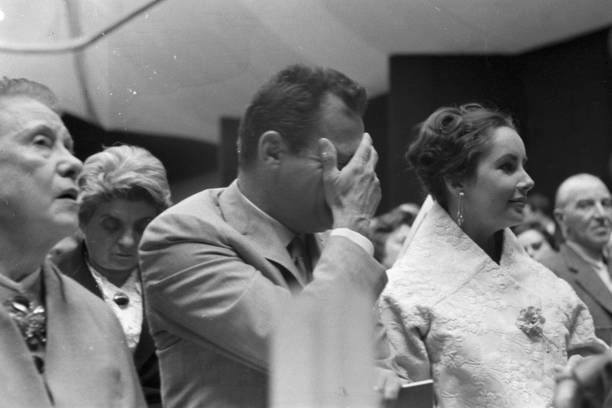
Elizabeth’s art collection, like the contents of her jewelry box, grew during her marriage to Mike Todd, who was himself an art connoisseur. “He knew how much I loved paintings,” Elizabeth explained. “He loved paintings, too, but instead of buying himself the paintings, he’d buy them for me.” When Person to Person’s Edward R. Murrow interviewed the Todds in April 1957, Mike showed the veteran journalist some of the art in their New York penthouse: a Monet, a Pissarro, and a Frans Hals. “All hand-painted, by the way, in case you don’t know,” Mike quipped.
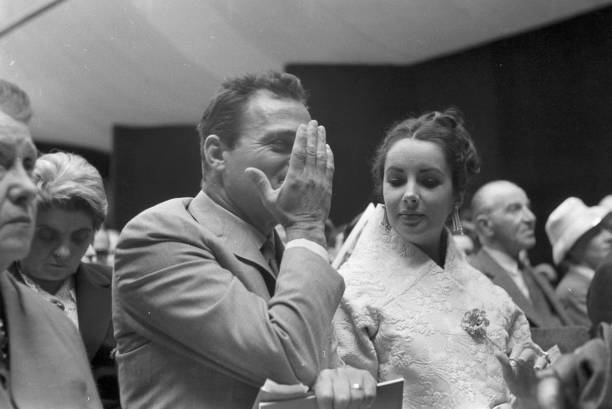
The next month, the two would add more important pieces to their collection. On May 23, the Todds attended the Paris sale of fifty-two paintings from Prince Aly Khan’s impressive art collection at the Galerie Charpentier, where, for a reported $71,428, they took home a Utrillo, a Vuillar, and a self-portrait by Edgar Degas. “They’ll think I’m crazy when they hear about this in Hollywood,” Mike said. “Paying that much for pictures that don’t even move.”
Once, when Elizabeth was hospitalized, Mike cheered up the walls of her sterile hospital room with pieces from their priceless collection. He accidentally punctured the Van Gogh with a pencil while bringing it up the hospital elevator. Fortunately, Elizabeth’s uncle, Howard Young, came to the rescue and mended it. The Todds were also generous in loaning their paintings to LACMA (the Los Angeles County Museum of Art), so others could enjoy and appreciate their collection.

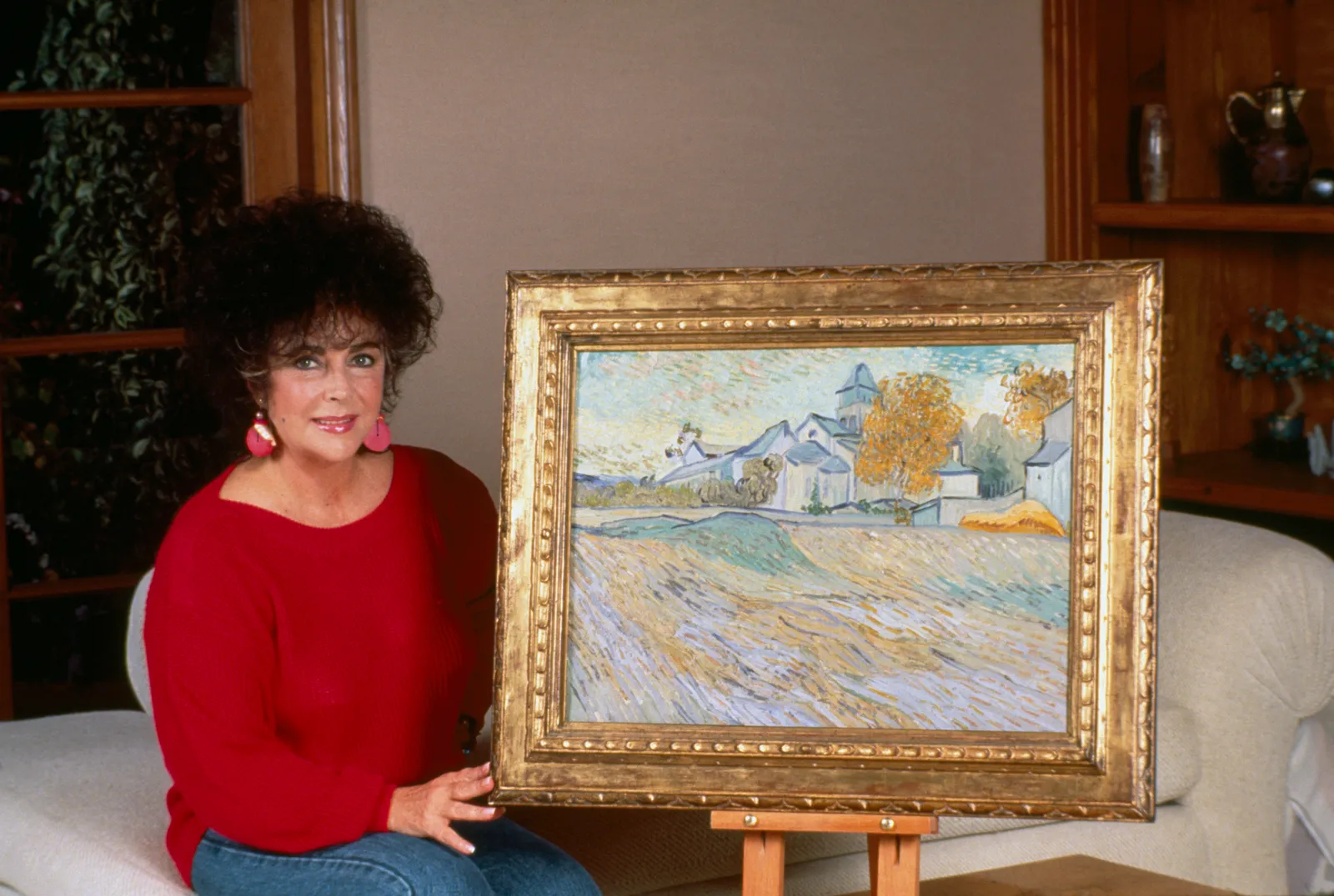
Vue de l’Asile et de la Chapelle de Saint-Remy
In 1963, Elizabeth acquired Vincent van Gogh’s autumn landscape Vue de l’Asile et de la Chapelle de Saint-Remy, arguably the centrepiece of her impressive collection. Bidding on behalf of his daughter, Francis Taylor purchased the oil on canvas from the collection of Alfred Wolf at Sotheby’s for a reported £92,000. Francis also snapped up Utrillo’s Château de Chillon (Suisse) as a belated birthday present for Elizabeth at the same auction. The Château de Chillon was “where Richard and I used to meet after Cleopatra,” Elizabeth later explained. (Chalet Ariel, her home in Switzerland, was located about an hour’s drive from the château.)
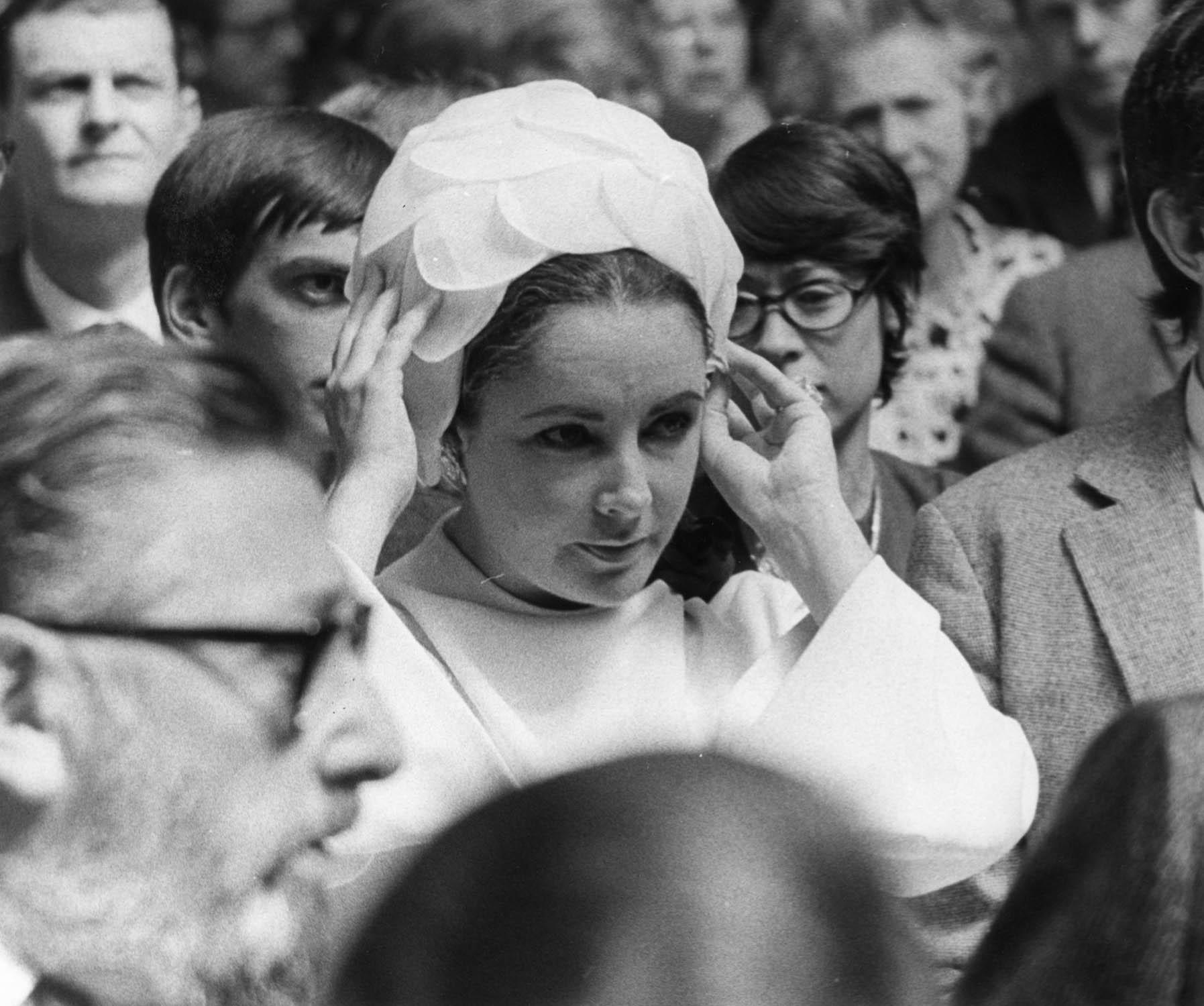
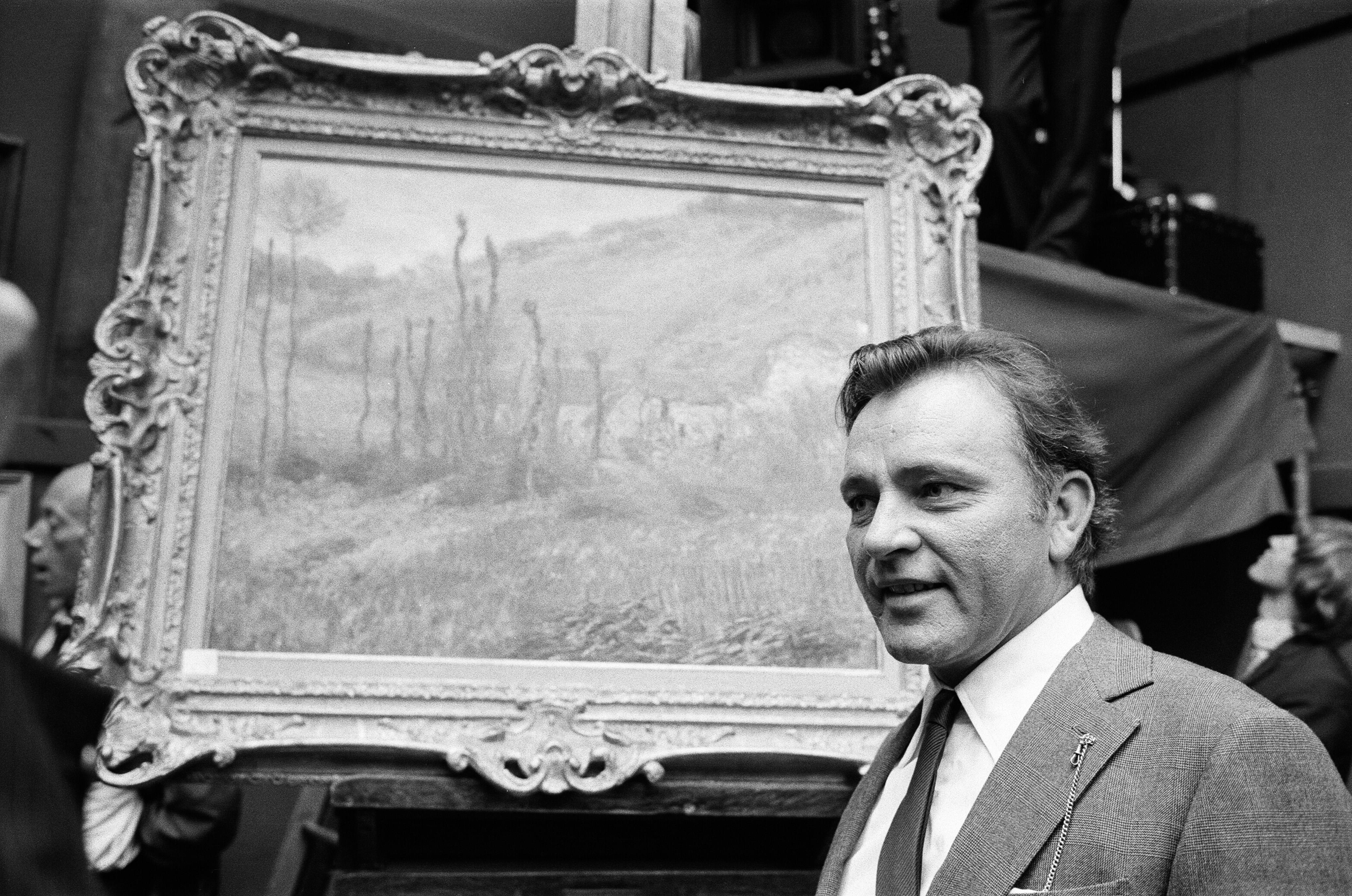
Several years later, in July 1968, Elizabeth accompanied Richard to Sotheby’s auction house in London, where he was filming on location for Laughter in the Dark. She didn’t leave empty-handed, taking home a Claude Monet for £50,000, which she presented to Richard as a gift. During their marriages, their art collection was featured in their homes around the world, including their yacht, the Kalizma. Once the refitting of the Kalizma was complete, Richard wrote that: “The Monet is in the living room or salon, the Picasso and the Van Gogh are in the dining room. The Epstein bust of Churchill is brooding over the salon and there is a Vlaminck on the wall of the stairwell to the kids’ cabins.”
Elizabeth enjoyed sharing her passion for art with others, loaning pieces over the years to such leading institutions as the Los Angeles County Museum of Art (LACMA), the Carnegie Museum of Art in Pittsburgh, and New York’s Metropolitan Museum of Art (MOMA). In February 2012, less than a year after Elizabeth’s death at the age of seventy-nine, and two months after the initial Christie’s auctions of her jewelry, fashion, decorative art, and film memorabilia, thirty-eight pieces from her magnificent art collection went under the hammer in London.
Although her collection is now scattered across the globe, Elizabeth’s passion for art, passed down from her beloved father, lives on in her children, grandchildren, and even great-grandchildren, several of whom are talented artists and working in the art world.