Studio: Metro-Goldwyn-Mayer (MGM)
Running time: 109 minutes
BUtterfield 8 (1960)
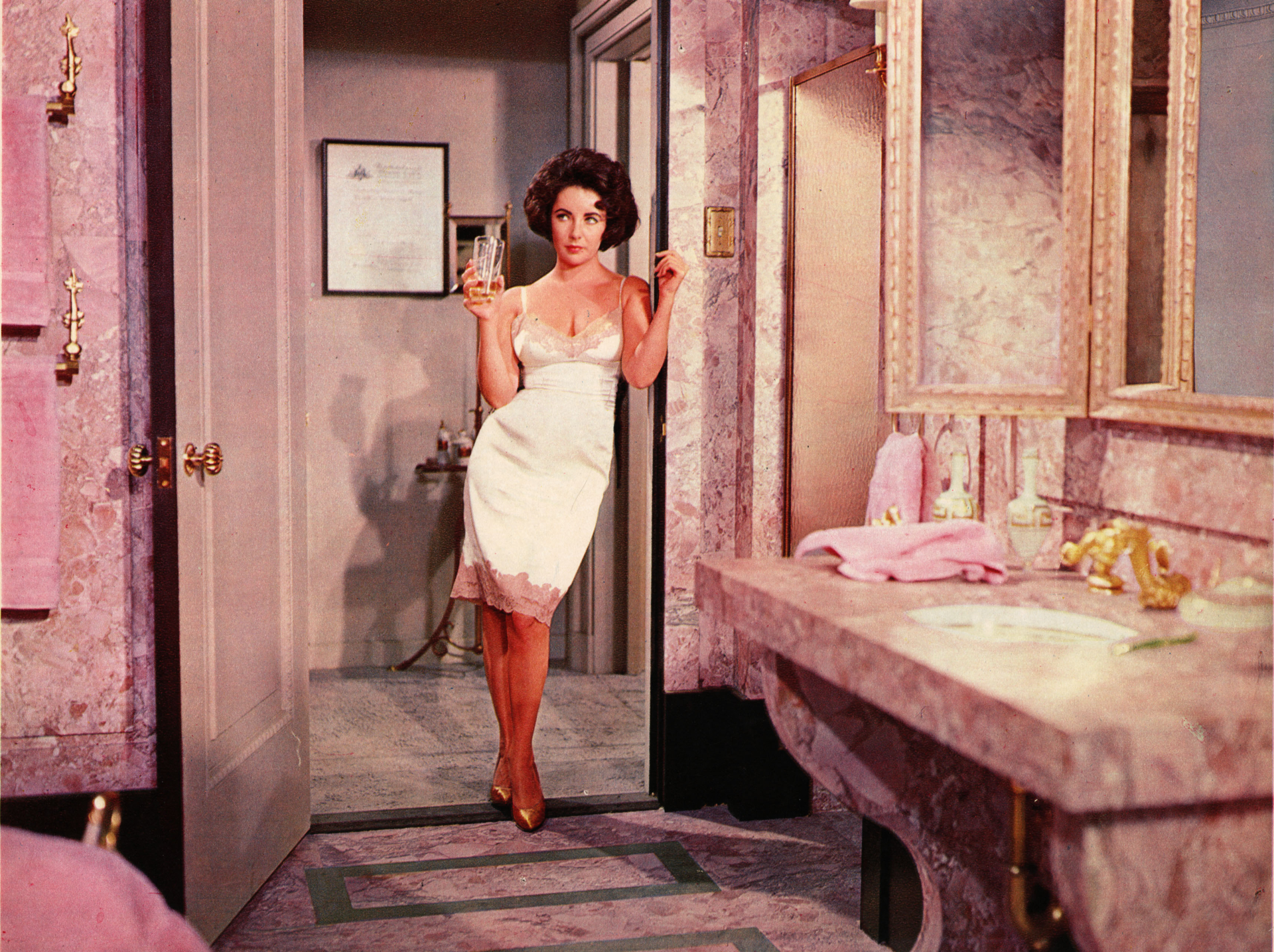
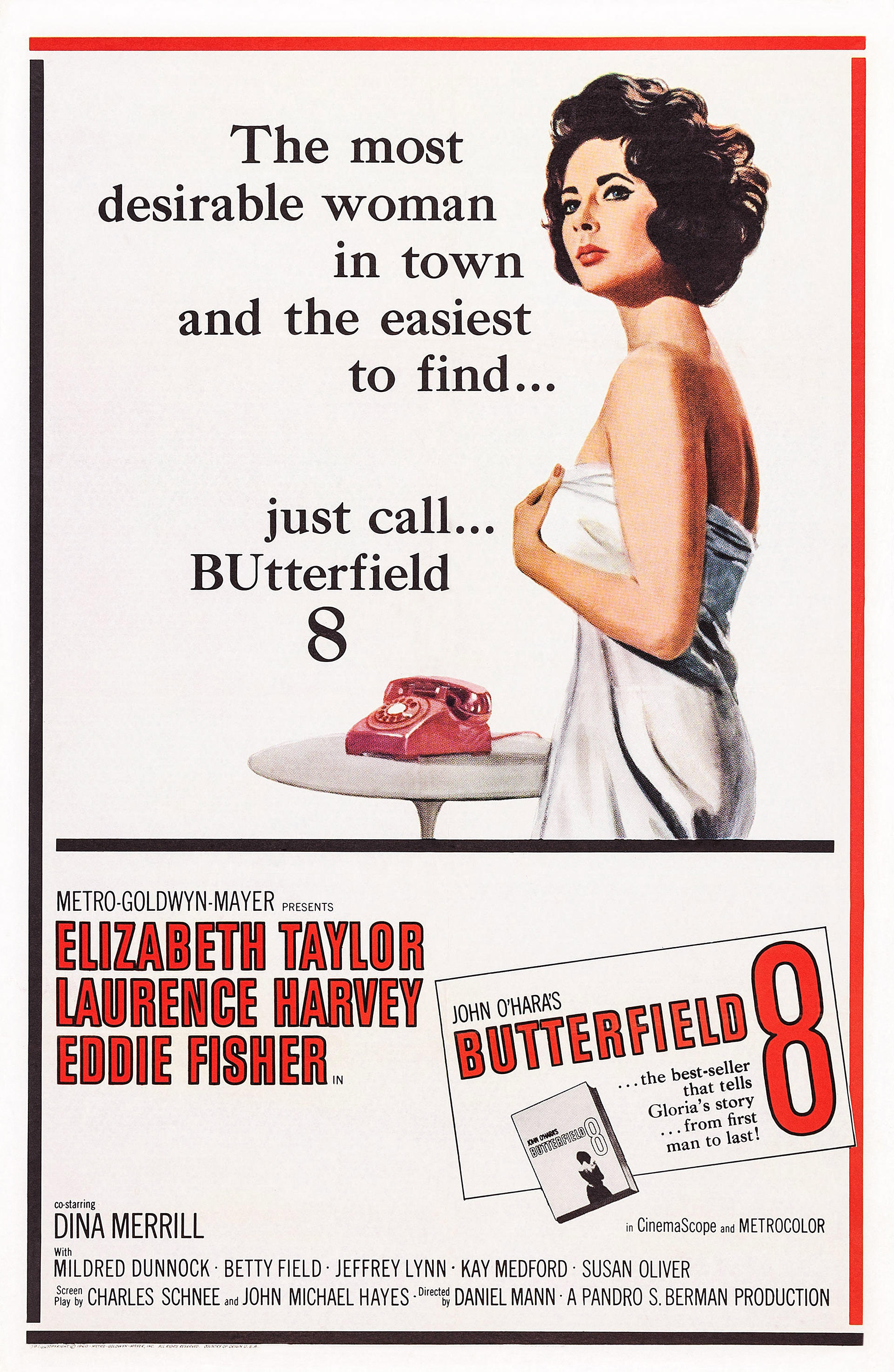
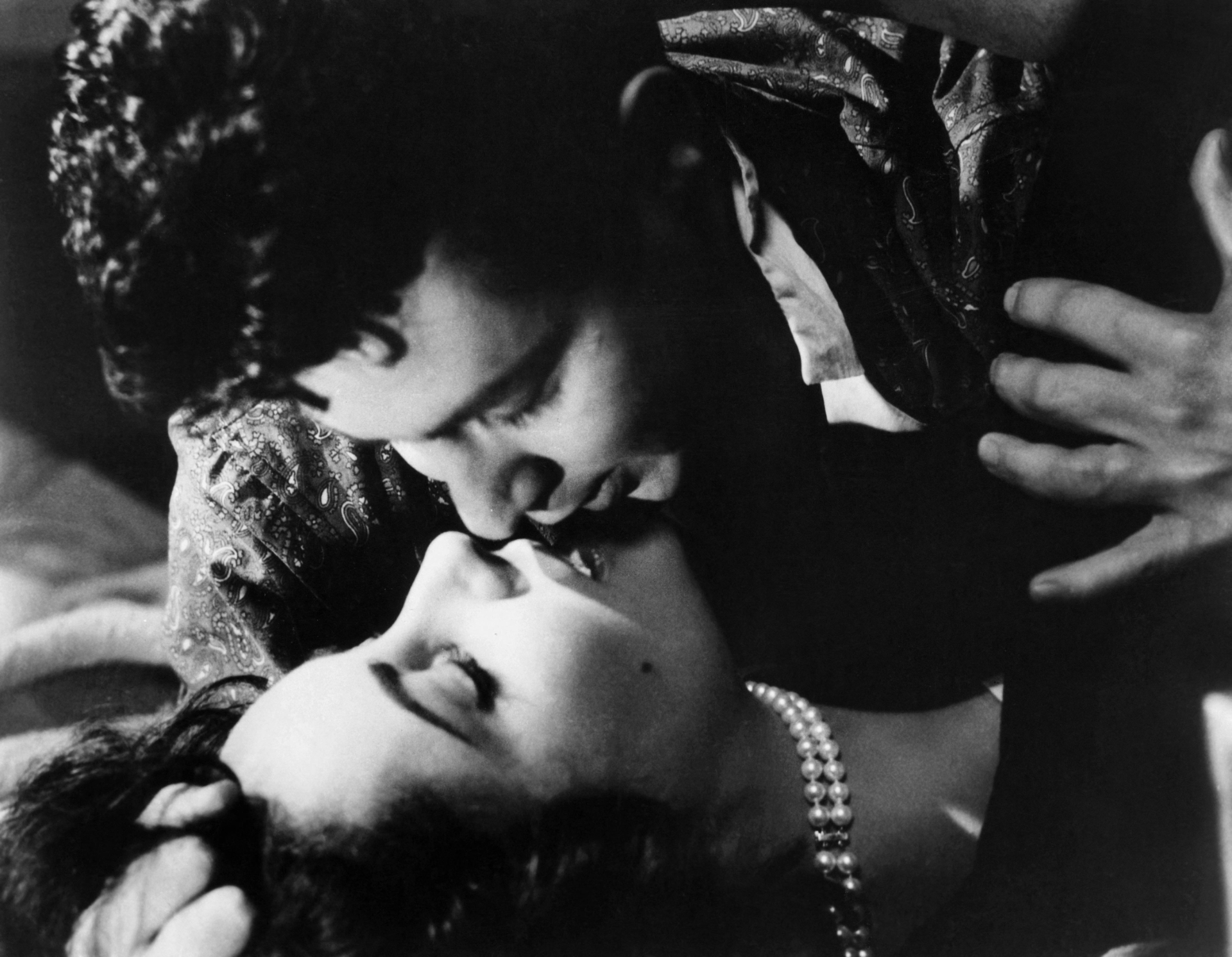
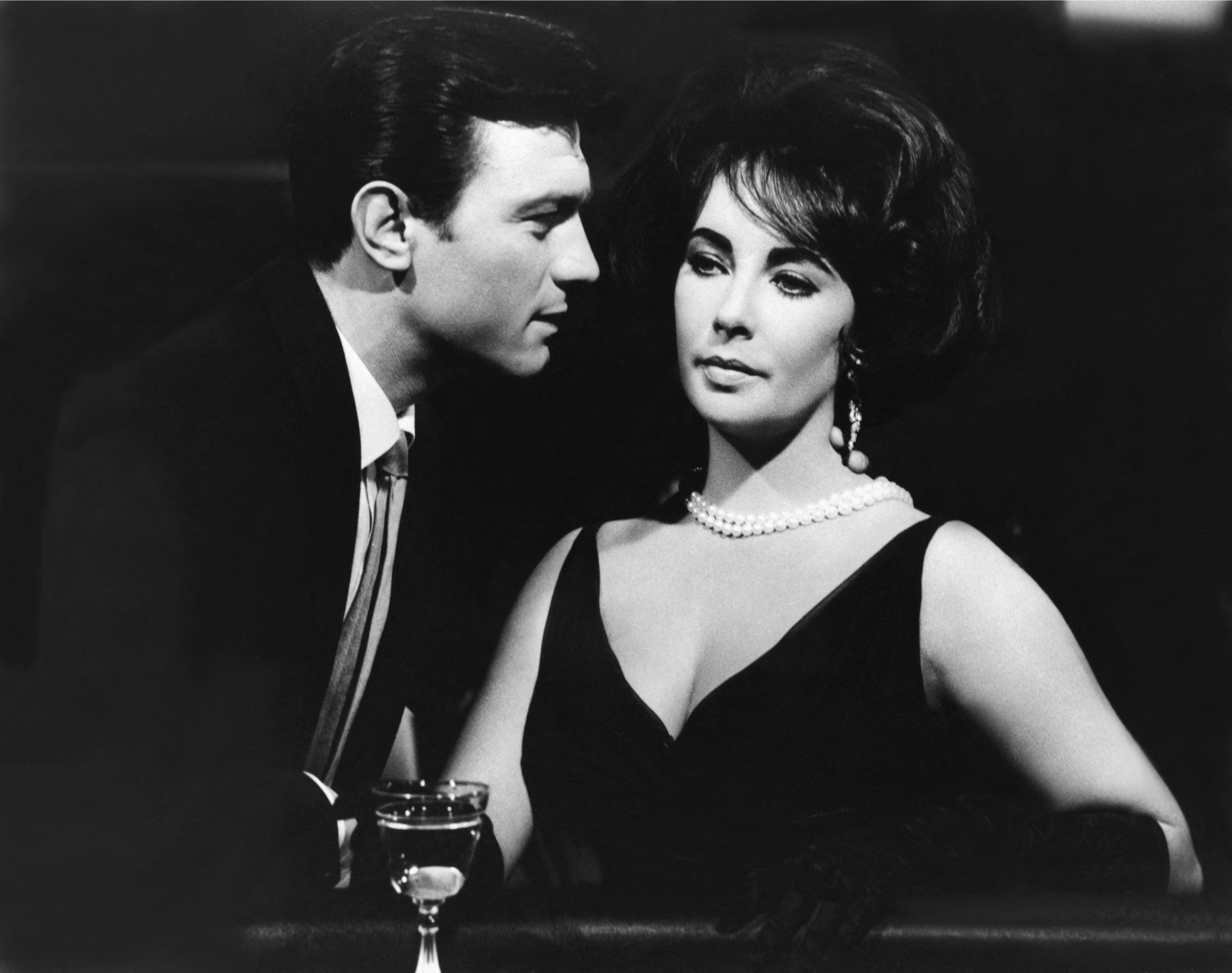
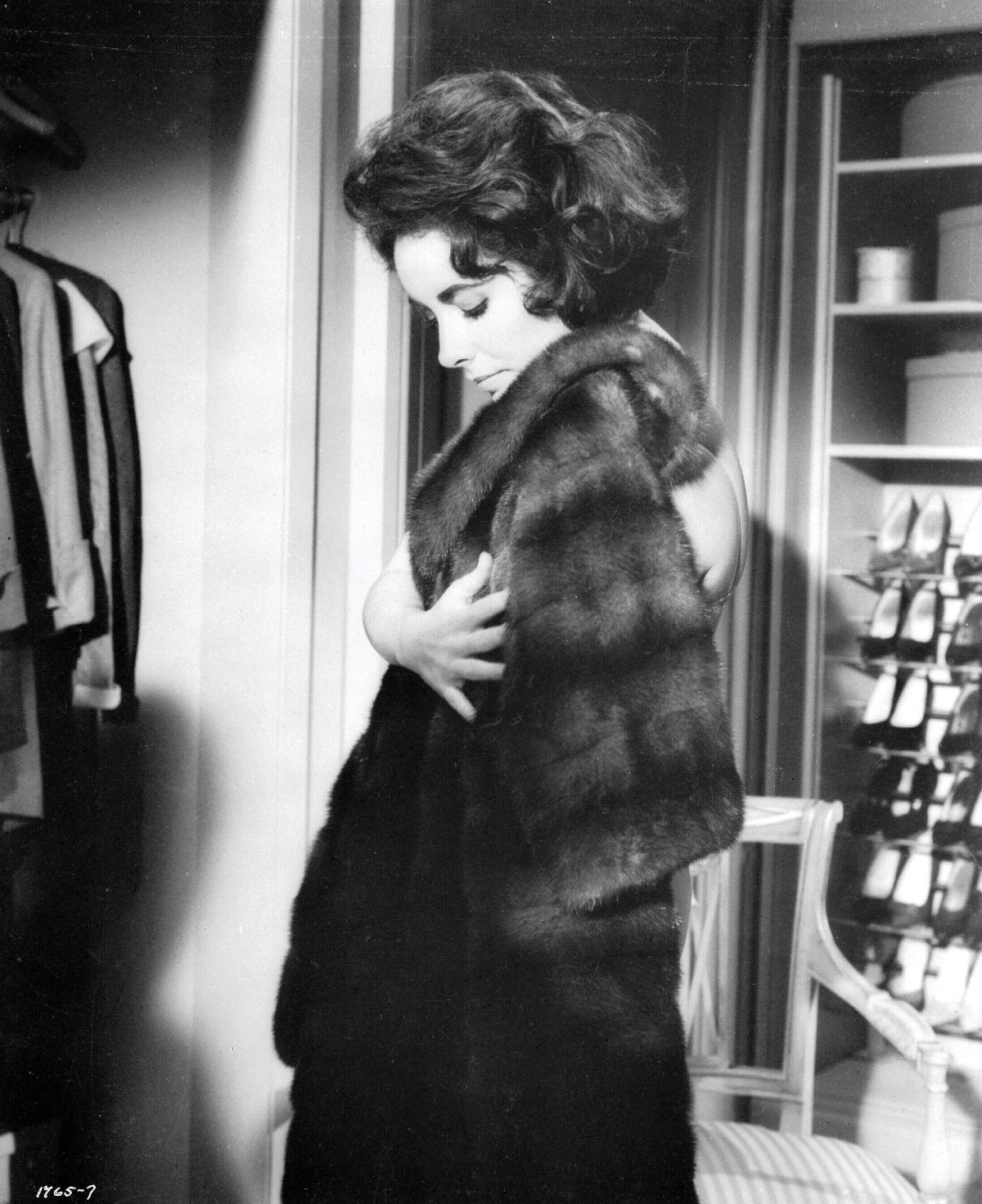
“Elizabeth Taylor won her first Oscar for Gloria, a high-class call girl for whom Manhattan’s upper echelon businessmen dial BUtterfield 8 regularly. When she meets socially prominent Laurence Harvey, their passion turns into love and their lives explode. Harvey yearns to leave his wife and marry Taylor, but can’t forget her past. Though she wants to change for him, she resents his distrust. The lovers battle with their emotions and with each other—building the drama to a powerful and unforgettable climax. The stars are surrounded by a top notch cast: Eddie Fisher as Taylor’s platonic friend; Mildred Dunnock as her worried mother; Dina Merrill as Harvey’s patient wife; and Betty Field as the caustic but good-hearted neighbor. Oscar-winning cinematographer Joseph Ruttenberg and Charles Harten have made the most of glamorous settings and costumes and of Elizabeth Taylor’s breathtaking beauty and Academy Award-winning performance.” [From the laserdisc]
Cast
Gloria Wandrous: Elizabeth Taylor
Weston Liggett: Laurence Harvey
Steve Carpenter: Eddie Fisher
Emily Liggett: Dina Merrill
Mrs. Wandrous: Mildred Dunnock
Mrs. Fanny Thurber: Betty Field
Bingham Smith: Jeffrey Lynn
Happy: Kay Medford
Norma: Susan Oliver
Dr. Tredman: George Voskovec
Clerk: Virginia Downing
Mrs. Jescott: Carmen Mathews
Anderson: Whitfield Connor
Elevator Man: Dan Bergin
Cabbie: Vernon Dowling
Doorman: Samuel Schwartz
Topsy Man: Robert Pastene
Second Doorman: John Armstrong
Policeman: Leon B. Stevens
Bartender: Tom Ahearne
Big Man: Ruby Bond
Irate Man: Victor Harrison
Chauffeur: Beau Tilden
Irate Woman: Marion Leeds
Gossip: Helen Stevens
Photographer: Don Burns
Man: Philip Faversham
Messenger: Joseph Boley
State Trooper: Richard X. Slattery
Crew
Director: Daniel Mann
Producer: Pandro S. Berman
Screenwriters: Charles Schnee and John Michael Hayes
Based on the Novel by: John O’Hara
Cinematographer: Joseph Ruttenberg
Art Directors: George W. Davis and Urie McCleary
Set Decorators: Gene Callahan and J. C. Delaney
Musical Score: Bronislau Kaper
Editor: Ralph E. Winters
Costumes: Helen Rose
Did You Know?
Elizabeth had been, in her words, “ordered” to make BUtterfield 8 to complete her contractual obligation to MGM. If she had refused, MGM could have kept her off the screen for years, preventing her from making history as the first actress to receive a million dollars for Cleopatra. Mike Todd had shaken hands in a gentleman’s agreement with MGM that Cat on a Hot Tin Roof would be her final film under contract to the studio. But since he was gone, they reasoned, the arrangement was invalid. Elizabeth resented that the studio was capitalizing on her widely perceived image as a wanton woman, and was vocal about her disdain for the film, calling it “the most pornographic script I ever read” and “unpalatable”.
MGM did make certain concessions to Elizabeth, including agreeing to cast Eddie Fisher as Gloria’s friend, Steve Carpenter, a role that was to have been played by David Janssen. (At that point, Fisher had acted on screen in just one film, Bundle of Joy (1956), opposite his then-wife Debbie Reynolds, so Monty Clift helped him prepare for his role in BUtterfield 8.) Elizabeth also requested that the film be made in New York, Sydney Guilaroff style her hair, and Helen Rose design her wardrobe. (BUtterfield 8 even had a small part for Elizabeth’s Yorkie, Theresa. Theresa knew her way around a movie set, having also been present for the filming of Cat on a Hot Tin Roof.)
Elizabeth described her lines in the film as “diabolical”. When the production was temporarily shut down due to a strike, she enlisted four writer friends, leading screenwriters and playwrights, to help her improve the dialogue. However, when she showed the suggestions to director Daniel Mann and producer Pandro Berman, she was rebuffed by Berman, who told her: “Look, honey, we can’t have these amateurish lines in the film, so be a good girl and just relax and don’t meddle in it.”
The opening sequence of BUtterfield 8, in which Elizabeth’s character, the call girl Gloria Wandrous, wakes up alone in the sumptuous apartment of her married lover, is almost entirely free of dialogue. Elizabeth uses her expressive eyes and body language throughout the ten-minute scene to introduce the viewer to Gloria. It’s a total triumph and helped her secure the first of two Best Actress Oscars.
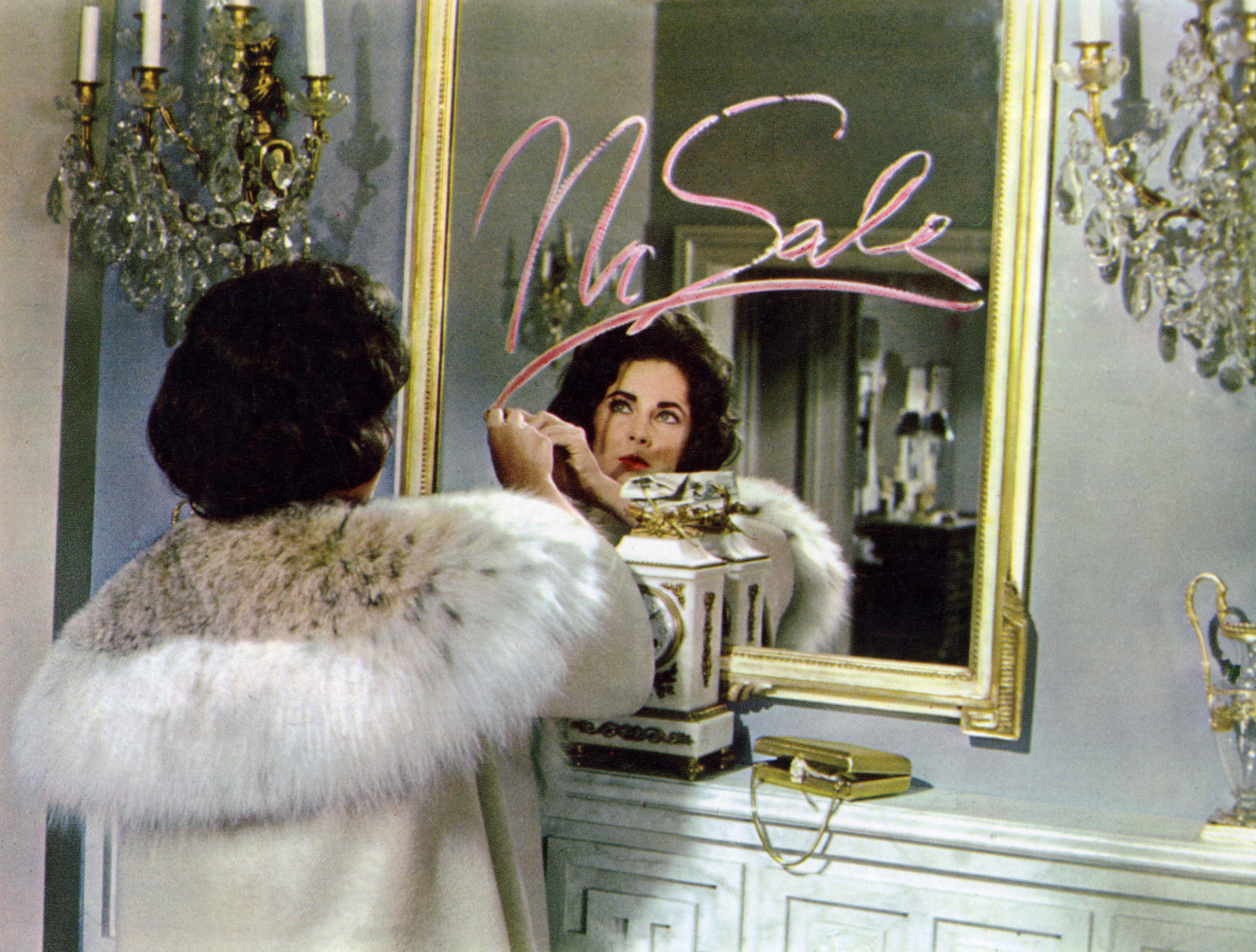
Elizabeth later admitted that, after seeing a rough cut of the film, she pulled out her lipstick and scrawled “Piece of shit” on the screen. (Eddie Fisher’s account differs in that he claims that they both hurled their drinks at the screen before Elizabeth stalked out of the screening room, down the corridors, stopping at Sol Siegel’s office door, where, borrowing a phrase from Gloria Wandrous, she scrawled “No Sale” on the MGM executive’s door.)
In 1960, the year the film was released, the paperback edition of John O’Hara’s 1935 novel rocketed to number five on the bestseller list. The New York Times called this feat “a tribute in part to Miss Taylor.”
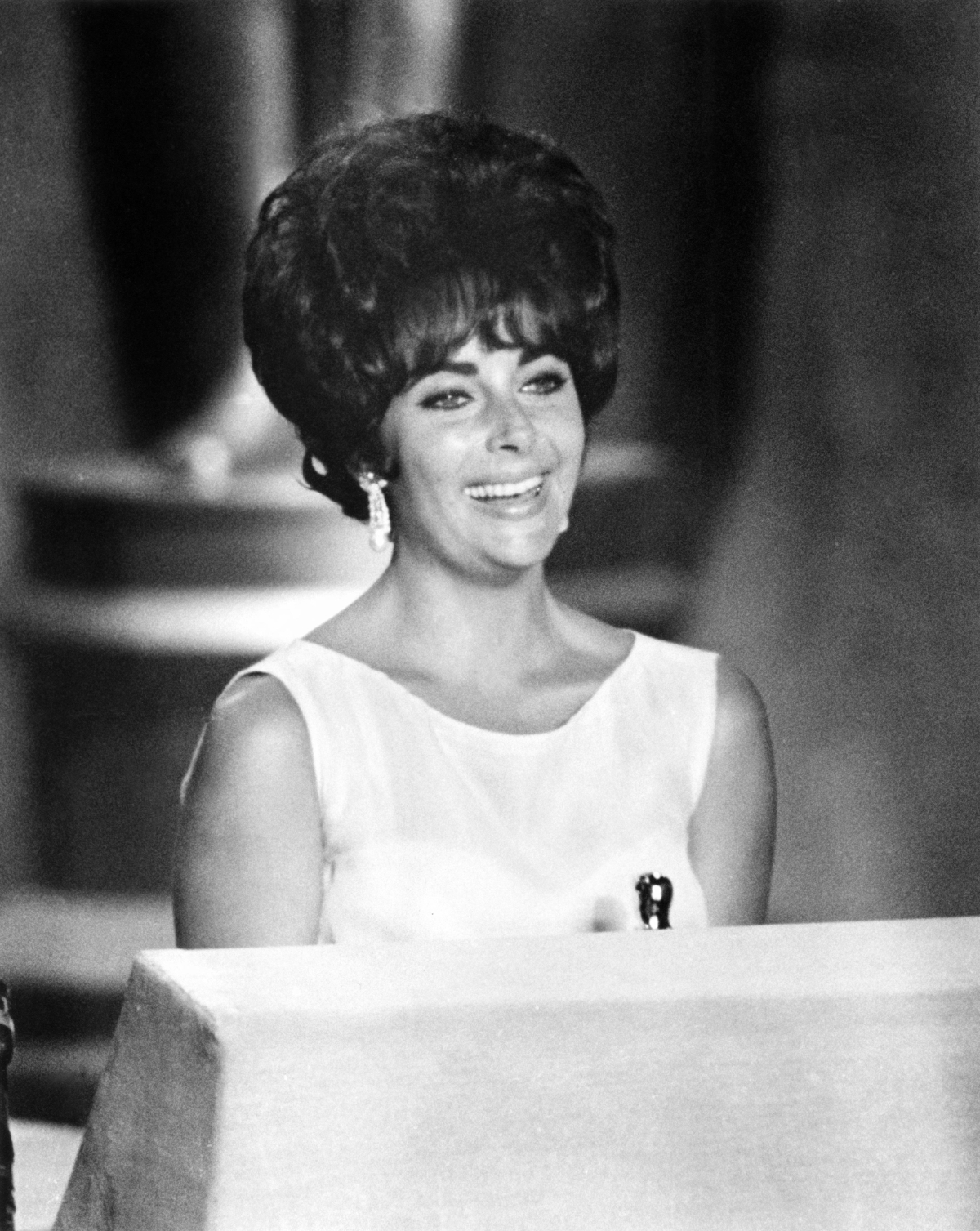
On April 17, 1961, after three previous consecutive nominations (for Raintree County, Cat on a Hot Tin Roof, and Suddenly, Last Summer) and just over a month after she had a lifesaving tracheotomy in London, Yul Brynner called out Elizabeth’s name at the 33rd Academy Awards as the year’s Best Actress for her performance in BUtterfield 8.
“The reason [I won] was, I’m afraid, that I had come within a breath of dying of pneumonia only a few months before,” she said. “I was filled with profound gratitude at being considered by the industry an actress and not a movie star. My eyes were wet and my throat awfully tight. But I knew my performance had not deserved it, that it was a sympathy award. And it was all very dramatic because my leg was still hugely bandaged. Infection set in where they had been feeding me intravenously, and I’d almost lost the leg.”