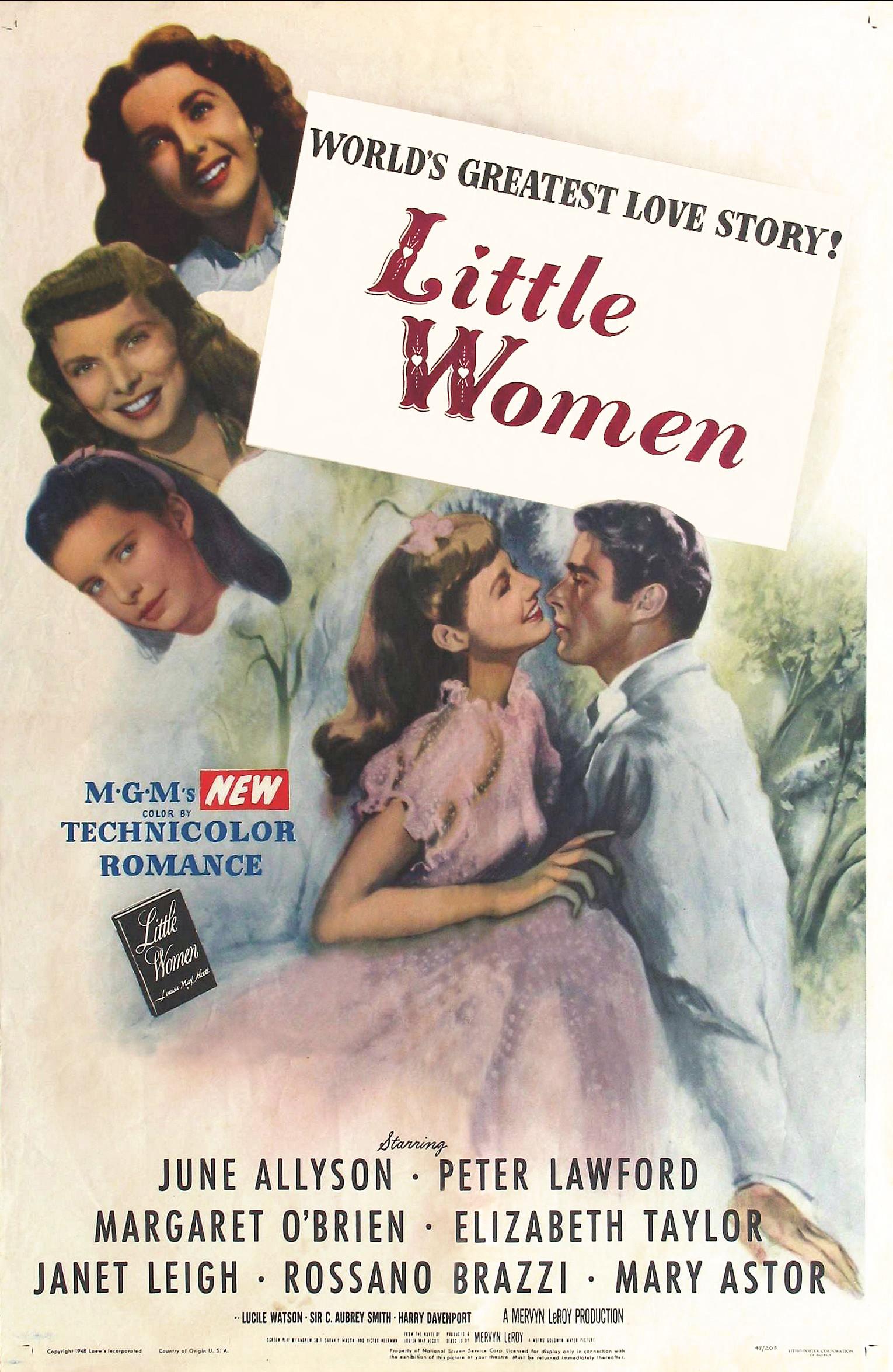
Studio: Metro-Goldwyn-Mayer (MGM)
Running time: 122 minutes
Little Women (1949)
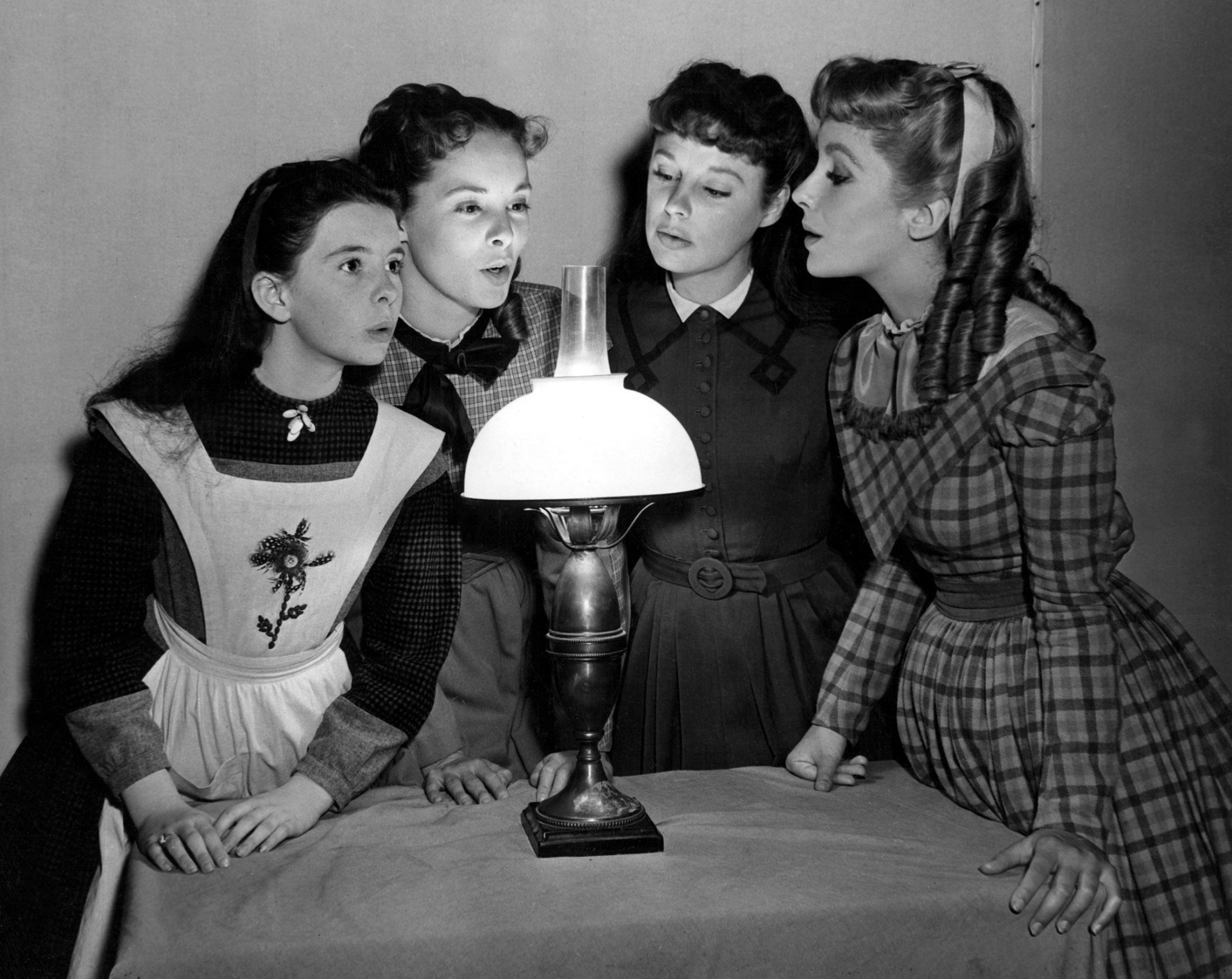
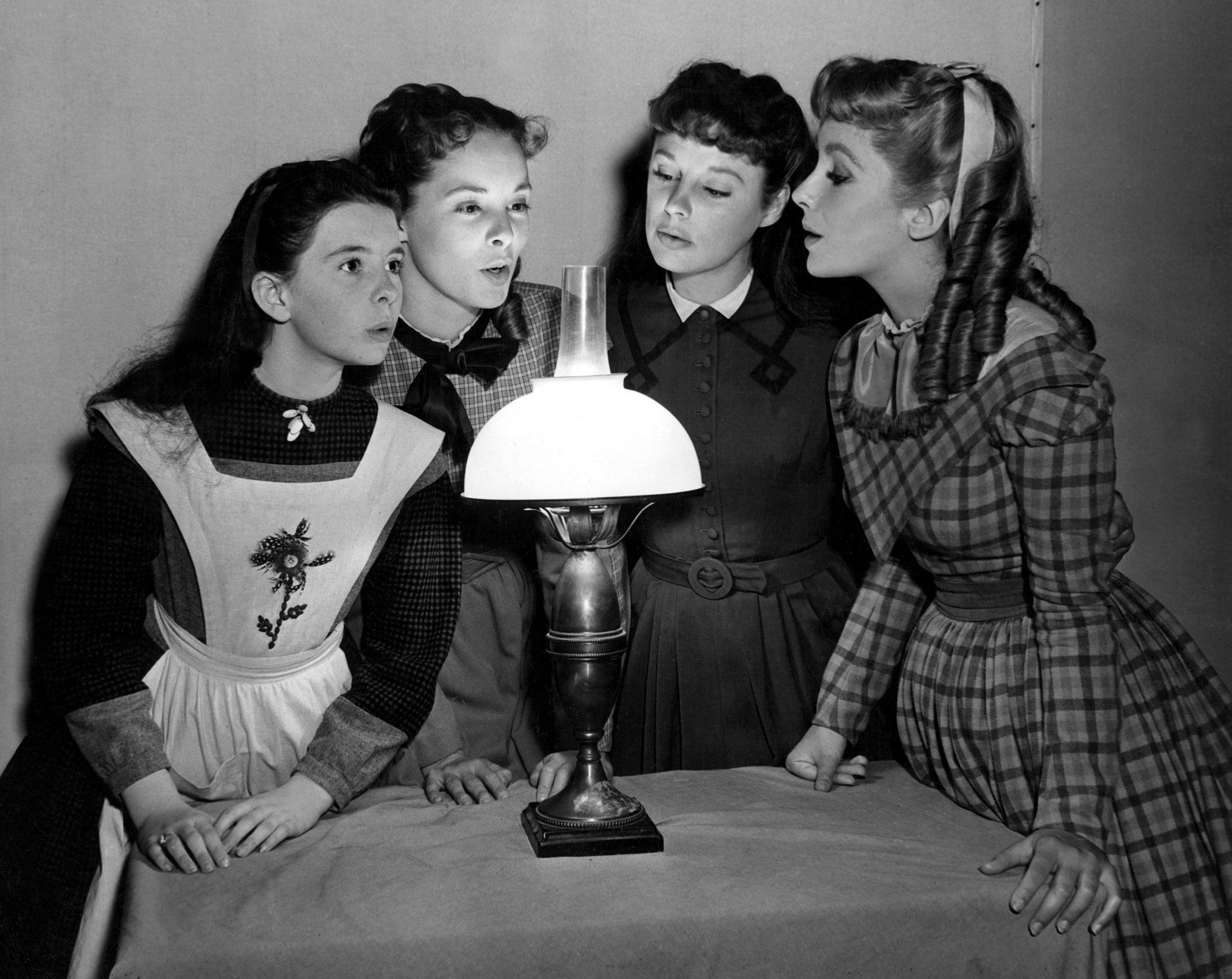
“Meet Jo, Beth, Amy and Meg. They're the March sisters, the Little Women of Mervyn LeRoy's Academy Award -winning* Technicolor version of the cherished Louisa May Alcott novel. Set during the Civil War, it chronicles the Marches’ lives and loves, underscoring the era’s expectations about a woman’s place in the world. Golden-tressed Elizabeth Taylor portrays pretentious Amy, Janet Leigh is earnest Meg, and Margaret O’Brien is dear, tragedy-stricken Beth. June Allyson plays spunky Jo, resolved to be a writer but unaware that the elusive muse she seeks is the life she shares with her sisters and mother (Mary Astor). A movie of ‘admirable beauty’ (New York Post) and irresistible warmth, Little Women looms large.” [From the DVD]
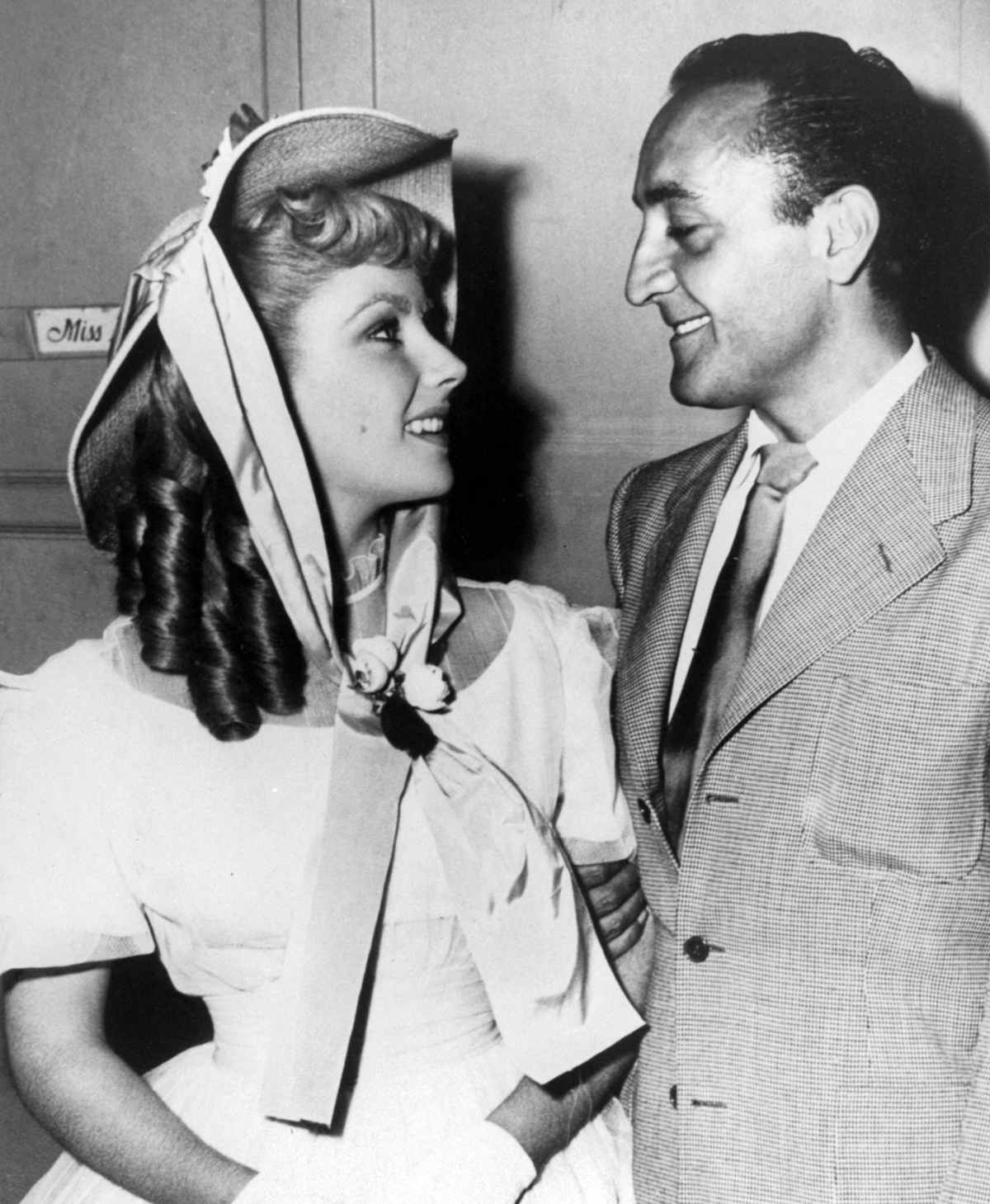
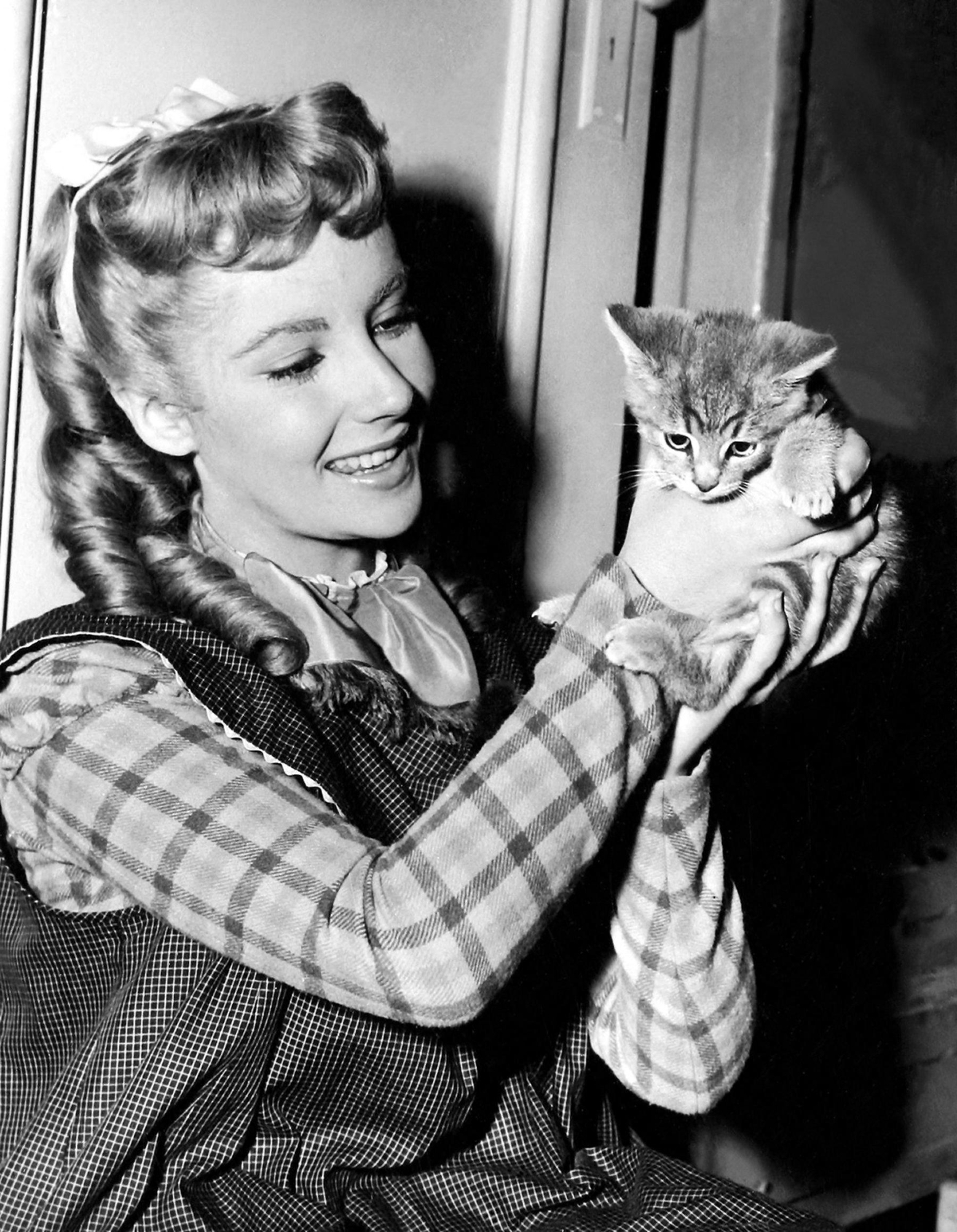
Cast
Jo March: June Allyson
Laurie Laurence: Peter Lawford
Beth March: Margaret O’Brien
Amy March: Elizabeth Taylor
Meg March: Janet Leigh
Professor Bhaer: Rossano Brazzi
Marmee March: Mary Astor
Aunt March: Lucile Watson
Mr. Laurence: Sir C. Aubrey Smith
Hannah: Elizabeth Patterson
Mr. March: Leon Ames
Dr. Barnes: Harry Davenport
John Brooke: Richard Stapley
Mrs. Kirke: Connie Glichrist
Sophie: Ellen Corby
Storekeeper: Will Wright
Schoolteacher: Olin Howlin
Crew
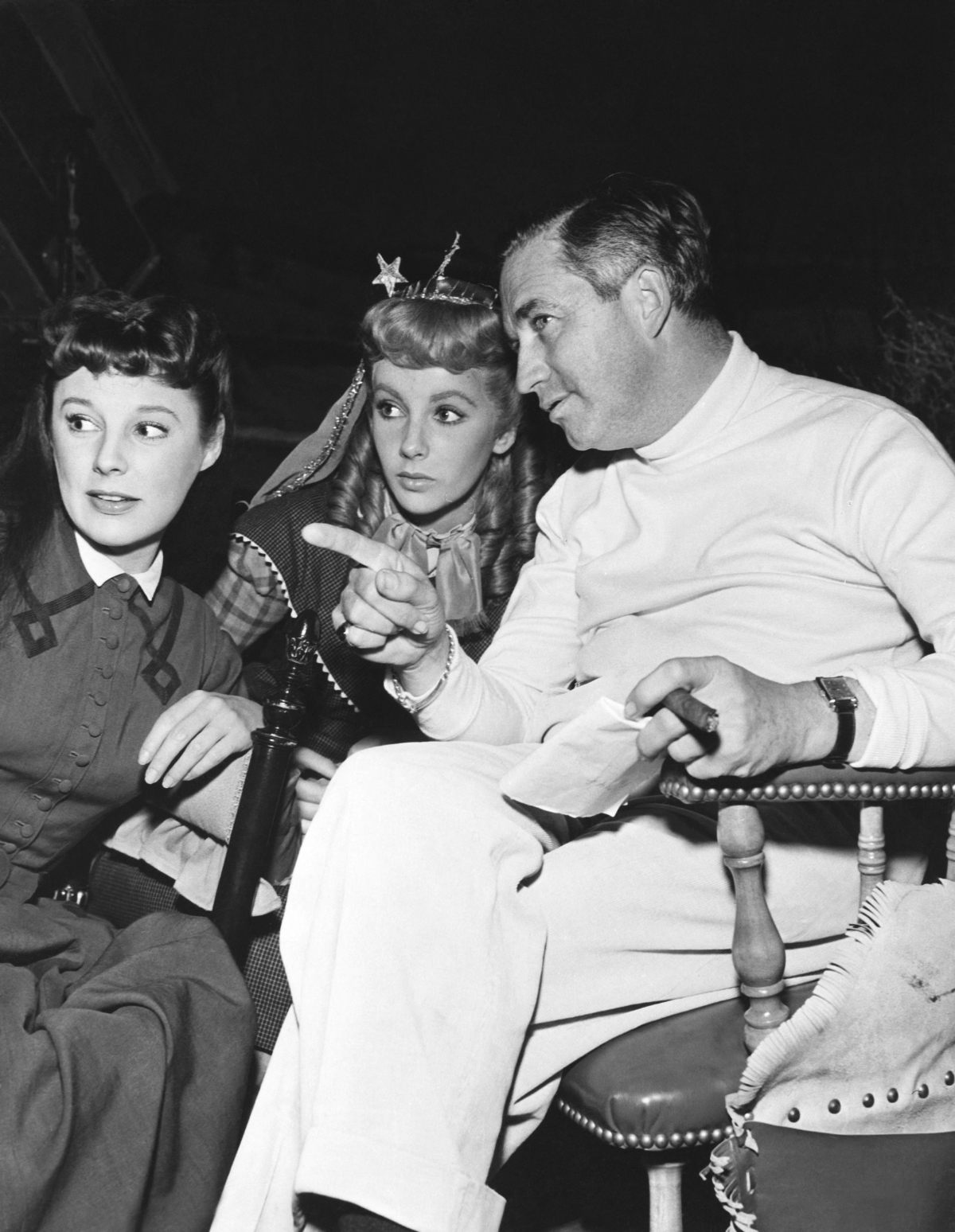
Director/Producer: Mervyn LeRoy
Screenwriters: Andrew Solt, Sarah Y. Mason, and Victor Heerman
Based on the Novel by: Louisa May Alcott
Adaptation: Sally Benson
Cinematographers: Robert Planck and Charles Schoenbaum
Art Directors: Cedric Gibbons and Paul Groesse
Set Decorators: Edwin B. Willis and Jack D. Moore
Musical Score: Adolph Deutsch
Editor: Ralph E. Winters
Costumes: Walter Plunkett
Did You Know?
Legendary Gone with the Wind producer David O. Selznick was developing a remake of the 1933 adaptation of Little Women, with plans to star his future wife, Jennifer Jones, as Jo. When a studio strike derailed Selznick’s plans, he sold the property, including the finished screenplay and some of the sets, to MGM. Mervyn LeRoy, who was set to direct Selznick’s adaptation during a short interval as a freelancer, was back at MGM, where he had been under contract from 1938 to 1945, and would fulfill his dream of directing a film adaptation of Louisa May Alcott’s classic novel. “Ever since I have been in pictures I wanted to direct Little Women,” he said.
“David O. Selznick owned the rights, but I persuaded L.B. to buy it for me.”
The film borrows heavily from the 1933 adaptation. Andrew Solt, Sarah Y. Mason, and Victor Heerman wrote the screenplay (Mason and Heerman wrote the earlier adaptation, which earned the wife-and-husband team an Oscar). Adolph Deutsch composed the score, but Max Steiner’s theme/Jo’s theme from the earlier film was recycled. Walter Plunkett designed the costumes for both films, and even veteran character actor Olin Howlin returns as Amy’s schoolteacher, Mr. Davis (his work is uncredited in both).
Despite flirting with being a blonde at different times in her life, Elizabeth had misgivings about donning a blonde wig to play Amy in Little Women, but relented so as not to disappoint fans of Louisa May Alcott’s classic book.
“I don’t like myself as blonde,” she explained at the time. “I think it gives me a white, faded, peculiar look. But we wouldn’t dare change Amy to a brunette. Too many people have read the book and know exactly the color of her hair. They would resent a change.”
However, she drew the line when MGM’s makeup department wanted to bleach her eyebrows. “How would I look at night going around with coal-black hair and blonde eyebrows?” she reasoned. A compromise was reached. They would cover her eyebrows with makeup.